
Dutch hydrogen expertise
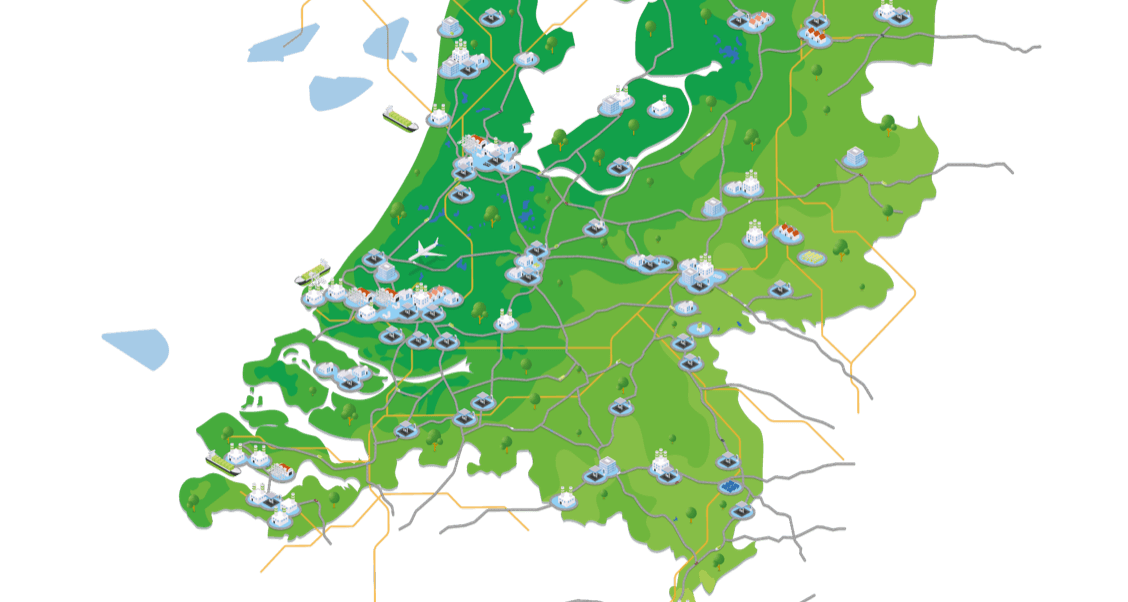
This is the interactive tool of the NL hydrogen guide, which features ambitious Dutch companies and flagship projects ready to drive the European and global hydrogen market forward.
272 / 272 Organizations


Hydrogen is playing an increasingly important role in the energy transition, with concrete projects strengthening the national hydrogen infrastructure. The climate agreement aims for 4 GW electrolyser capacity, with plans to increase this to 8 GW. These installations are crucial for industrial applications, chemical processes, heating, transport, grid balancing, energy storage, and large-scale electricity production. Reliability, similar to gas and electricity networks, is vital, requiring solid maintenance and inspection strategies.
The focus in hydrogen industry is on scaling up, bringing down costs, similar to the development of wind energy. This acceleration has led to a heterogeneous asset base in wind energy, causing maintenance standards to vary. While the WCM Zephyros Fieldlab helps close this knowledge gap, managing hydrogen installations needs to be integrated into the technological development from the start. The 'Hydro-Boreas' project aims to develop knowledge and expertise for managing hydrogen infrastructure.
There are several challenges, such as new technologies (e.g., electrolysers and compressors), legacy equipment (e.g., gas turbines and pipelines), and uncertainties regarding lifespan and safety. Hydrogen is extremely light, flammable, and has specific safety requirements, such as gas detection to prevent leaks. The project focuses on collaboration to optimise design, maintenance, and knowledge sharing. The 'Hydro-Boreas' project seeks to challenge the sector to accelerate innovations by developing knowledge, learning and improving together.

This is the interactive tool of the NL hydrogen guide, which features ambitious Dutch companies and flagship projects ready to drive the European and global hydrogen market forward.
272 / 272 Organizations