
Dutch hydrogen expertise
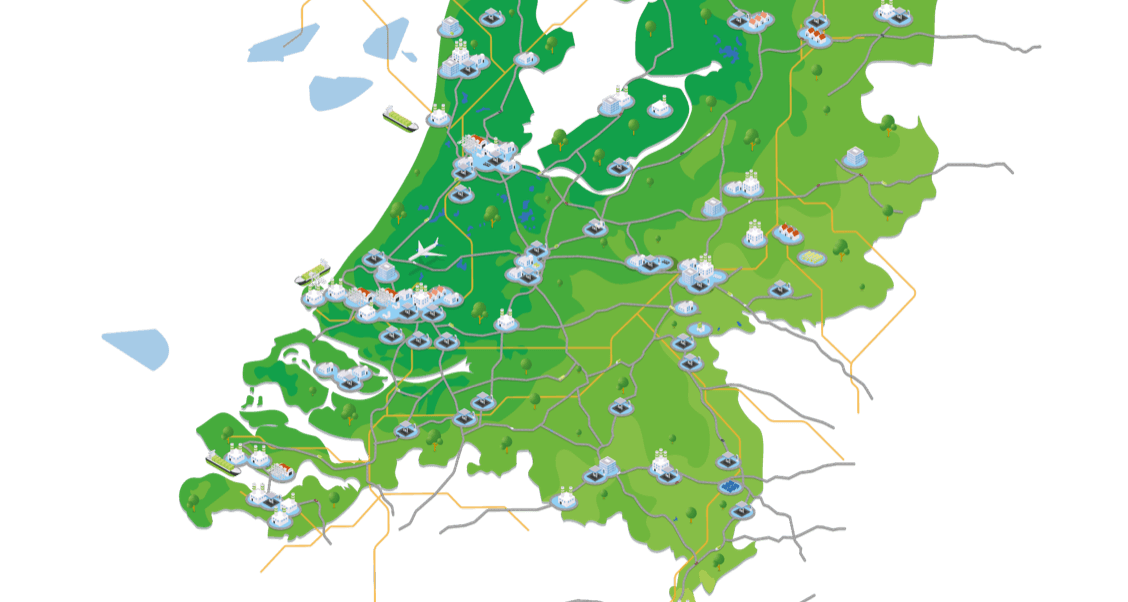
This is the interactive tool of the NL hydrogen guide, which features ambitious Dutch companies and flagship projects ready to drive the European and global hydrogen market forward.
272 / 272 Organizations


The Port of Amsterdam is currently one of the leading energy hubs in Europe with availability of large scale flexible tank storage terminals, supported by extensive blending infrastructure for oil products, and its role as a supplier of kerosene to Schiphol Airport through a direct pipeline.
The Port of Amsterdam is however strongly committed to play an active role in the transition towards sustainable energy production and use in both local, regional, national and international supply chains. The Port of Amsterdam therefore aims to become the largest hub for the storage, blending and transit of renewable and synthetic fuels in Europe. In addition, it enhances the investment climate for existing and new companies to establish production facilities for these types of fuels.
The port is working closely with different partners to establish new value chains based on for example hydrogen, synthetic kerosene, and methanol. Therefore the proposal presented by the Port of Amsterdam reflects the strategy of the port in the development of creating the 'building blocks' for the Future Fuels Hub containing the following clusters of projects:

This is the interactive tool of the NL hydrogen guide, which features ambitious Dutch companies and flagship projects ready to drive the European and global hydrogen market forward.
272 / 272 Organizations