
Dutch hydrogen expertise
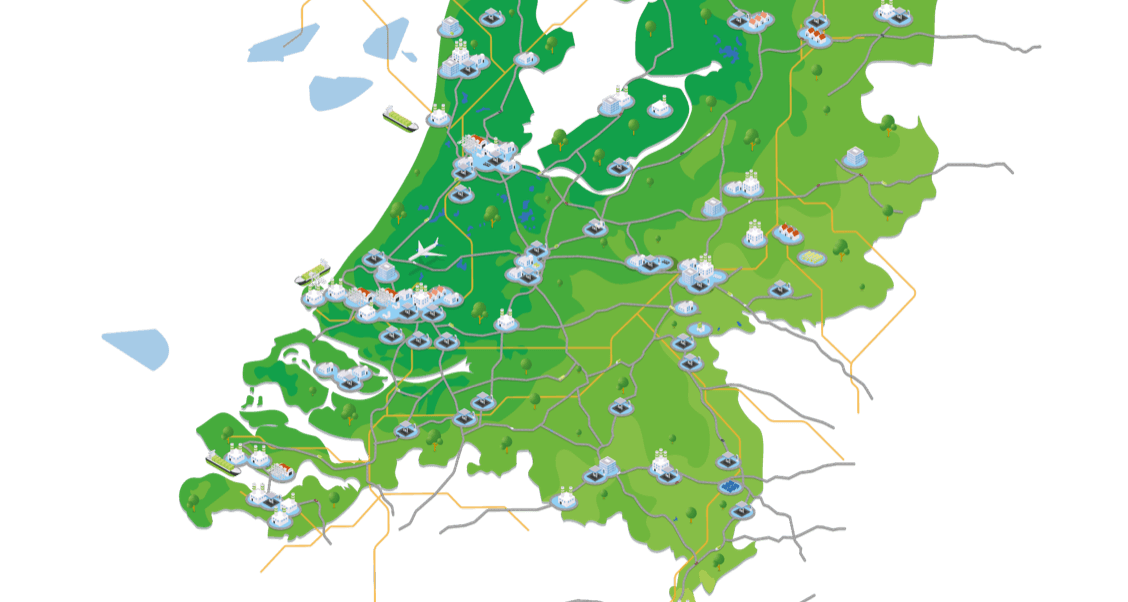
This is the interactive tool of the NL hydrogen guide, which features ambitious Dutch companies and flagship projects ready to drive the European and global hydrogen market forward.
272 / 272 Organizations


North Sea Port is taking a lead in the energy and climate transition and playing the hydrogen card. As one of the Europe's ten largest ports and one of the top industrial regions of Western Europe, North Sea Port is in an excellent position to secure a leading role in the production, storage, transit and distribution of green hydrogen as a sustainable energy source and circular raw material. The cross-border port area is already the largest hydrogen cluster within the Benelux countries, producing and consuming 580,000 tonnes of the gas every year. The unique combination of the steel and chemicals industries and the presence of large solar and on/offshore wind farms enable interactions between major players committed to greening and sustainability who are using hydrogen as a lever to that end. Several projects to build electrolysers and installations to convert hydrogen into synthetic fuels and raw materials are at the construction stage and will be operational in the near future. In many cases, these are 'first of their size' projects. North Sea Port and its partners are also further developing the necessary basic pipeline infrastructure to link together supply and demand. They are working towards a marketplace for hydrogen as an indispensable link in a value chain extending beyond the port area. In addition, the port is releasing more than 400 hectares for investments that will reinforce this circular dynamic and pave the way for sustainable economic growth and jobs. The strategy and aims of North Sea Port are in line with the objective shared by Europe, the Netherlands, Belgium and Flanders of a climate-neutral and zero-emission future.

This is the interactive tool of the NL hydrogen guide, which features ambitious Dutch companies and flagship projects ready to drive the European and global hydrogen market forward.
272 / 272 Organizations